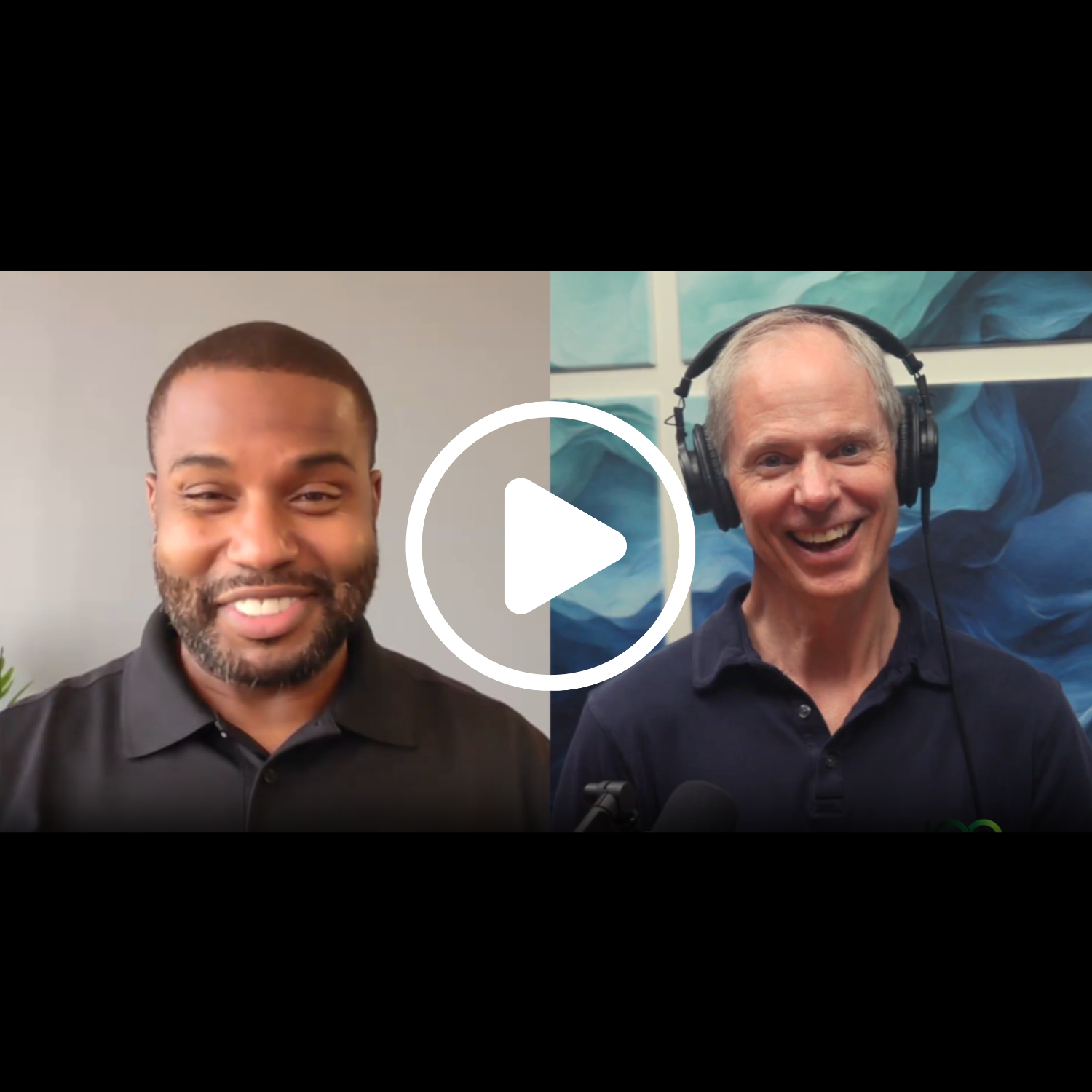


I recently had the opportunity to sit down with Bonnie Jensen, Chief Nurse Executive at Bryan Health, Jacquelyn Liddell, Vice President of Talent Acquisition and Workforce Development at Mass General Brigham, and Meridith OKeefe, Chief Operations Officer at Ballad Health Medical Associates, for a roundtable discussion on one of healthcare’s biggest challenges: managing the industry’s largest and most important asset—its workforce.
The conversation reinforced something I’ve believed for a long time: healthcare doesn’t have a data problem. It has a visibility problem.
Every health system has data. It’s spread across clinical, financial, HR, scheduling, and physician systems. Each serves an important purpose, but very few connect the information leaders need to understand what’s happening across the enterprise.
That disconnect creates what I call the $900 billion black box.
The cost of labor is equal to 50-60% of a typical health system’s revenue, making it by far the largest driver of health system costs. Across the industry, that’s over $900 billion in annual labor spend.
To put that into perspective, supplies may be growing at 10%, adding roughly $20 billion in costs across the industry. But labor, growing at 5.5%, adds roughly $50 billion in costs each year.
The financial implications are difficult to ignore. Labor growth of 5.5% adds a 2.8% operating margin headwind each year. With the median health system operating margin at just 2.9%, organizations need to more than double their operating margin just to keep pace with growth in labor expense.
That’s why workforce has become a boardroom conversation. During our discussion, five themes continued to emerge.
Healthcare has never lacked data. What it lacks is a connected view of that data.
Today, information about your workforce lives across EHRs, ERPs, HRIS platforms, scheduling systems, physician compensation tools, and countless reports and dashboards. Each system serves an important purpose. EHRs record care. ERPs record resources. HRIS and scheduling systems record workforce activity. But very few connect the information leaders need to understand what’s happening across the enterprise.
As a result, nursing leaders see staffing. Finance sees labor expense. Physician leaders see compensation. HR sees vacancies. Every team has information, but few have a complete picture of how decisions in one area affect the rest of the organization.
If workforce represents more than half of your operating expenses, it shouldn’t be managed through fragmented tools. Leaders need visibility across physicians, APPs, nurses, flexible workforce programs, and non-clinical teams, bringing together cost, capacity, performance, and incentives into a single, system-wide view. That’s how organizations move from fragmented tools to connected intelligence and make better decisions at scale.
One theme our panel returned to again and again was the need to move beyond reacting to yesterday’s staffing challenges.
Organizations making the greatest progress are using forecasting to anticipate demand, model staffing scenarios, and allocate resources before shortages affect patient access or financial performance. Rather than waiting for vacancy reports, overtime spikes, or agency utilization to signal a problem, they’re identifying issues early and acting proactively.
That shift matters across both the flexible workforce and physician enterprise. Whether you’re planning nursing coverage, optimizing float pools, evaluating locum utilization, or modeling physician capacity, proactive planning creates more resilient operations while reducing costly last-minute decisions.
Healthcare has traditionally measured activity. The organizations leading the industry are measuring performance.
For nursing, that means understanding staffing effectiveness, engagement, quality, and financial impact together. For physician organizations, it means connecting compensation, productivity, access, quality outcomes, and performance rather than evaluating each independently. During our discussion, Meridith OKeefe emphasized that physician compensation shouldn’t be something clinicians review once a year. Instead, physicians should have real-time visibility into their performance against compensation goals, with analytics that help them understand how they’re doing every day, every week, and every month.
When incentives are aligned with organizational goals and leaders have visibility into what’s driving results, decisions become more strategic. Existing capacity is better utilized, physicians are more engaged, and organizations are positioned to improve both financial and clinical performance.
Technology shouldn’t add another dashboard. It should remove complexity.
One of the strongest themes from our discussion was that AI and automation should reduce administrative burden, not add to it. Whether it’s intelligent scheduling, predictive staffing models, ambient documentation, or AI-assisted workflows, the goal is the same: eliminate manual work so clinicians, physicians, and leaders can spend more time caring for patients and less time navigating disconnected systems.
Healthcare doesn’t need more point solutions. It needs a unified operating system that connects intelligence across cost, capacity, and incentives while helping leaders anticipate needs, model tradeoffs, and act before problems escalate. That’s where AI becomes transformational, not because it replaces people, but because it helps organizations make better decisions faster.
Perhaps the biggest takeaway from our conversation is that workforce decisions are no longer operational decisions alone. Retention isn’t simply an HR metric. Flexible scheduling isn’t only a nursing discussion. Physician compensation isn’t just a finance issue.
Jacquelyn Liddell shared how bringing together operations, finance, workforce planning, talent acquisition, HR, and clinical leaders has helped Mass General Brigham make more intelligent decisions, move faster, and avoid solving problems in silos. Workforce strategy is strongest when every stakeholder has a seat at the table and decisions are made with the enterprise in mind.
Every workforce decision influences operating margin, patient access, engagement, care quality, and long-term organizational resilience. But workforce strategy isn’t only about operational efficiency. It’s also about creating an environment where people feel supported. As Bonnie Jensen reminded us during our discussion, people stay where leaders listen, respond, and take action. When clinical, financial, operational, and department leaders are working from the same intelligence, they can anticipate demand, align incentives, reduce unnecessary burden, and create the conditions for both stronger organizational performance and a workforce that feels heard, supported, and engaged.
Healthcare’s workforce challenges aren’t temporary. They’re structural. Labor shortages, rising costs, changing expectations, physician alignment, and increasing complexity will continue to shape the industry for years to come.
The organizations that succeed won’t be the ones with the most dashboards. They’ll be the ones that can see across their entire workforce, connecting cost, capacity, performance, and incentives to make proactive decisions.
That’s how you move beyond managing labor and create the conditions for a more resilient health system, a more engaged workforce, and better patient outcomes.
Missed the roundtable discussion?
Hear firsthand from leaders at Bryan Health, Mass General Brigham, Ballad Health Medical Associates, and Hallmark as we discuss why workforce has become a boardroom conversation, how connected intelligence is helping organizations improve visibility and decision-making across both the flexible workforce and physician enterprise, and what health systems can do today to build more resilient operations.